About Mental Fitness Coaching @ Code of Wellbeing
Mental fitness coaching is an empowering approach that emphasises the retraining of mental patterns and the addressing of strong, suppressed emotions that sabotage an enhanced overall performance and wellbeing.
By focusing on the regulation and homeostasis of the nervous system, mental fitness coaching helps individuals develop resilience and adaptability in the face of stress and challenges. The coaching involves working with clients to identify and modify self defeating mental and behavioural patterns and sabotaging emotional responses, thereby fostering a more positive and productive mindset.
A key aspect of this coaching is the toning of the vagus nerve, which plays a vital role in balancing the parasympathetic and sympathetic nervous system, responsible for promoting relaxation and recovery.
Through techniques such as mindfulness, deep breathing, body posture, language and cognitive restructuring, mental fitness coaching aims to strengthen the vagus nerve, leading to homeostasis of the nervous system, improved emotional regulation, reduced anxiety, and enhanced cognitive function. By addressing these core areas, mental fitness coaching not only boosts individual performance but also contributes to a more balanced and harmonious life.
Neuroscience Based Coaching
These techniques leverage the latest findings in neuroscience to enhance brain function and emotional regulation. Methods such as neurofeedback and cognitive training exercises use the neuroplasticity of the brain to aim to improve neural pathways and enhance the brain's ability to regulate emotions. This, in turn, supports a well-regulated nervous system.
Neuroplasticity is the brain's remarkable ability to reorganise itself by forming new neural connections throughout life. This adaptability allows the brain to adjust in response to new experiences, learning, and even injury.
Through neuroplasticity, the brain can effectively "rewire" itself, which can lead to changes in neurochemical pathways. By engaging in activities that promote positive thinking, mindfulness, and learning, individuals can influence the production and balance of neurochemicals such as dopamine, serotonin, and endorphins. These chemicals play a significant role in mood regulation, stress reduction, and overall well-being. As the brain strengthens these positive neural pathways, individuals often experience enhanced emotional resilience, reduced anxiety, and improved mental health. This ability to adapt and change not only supports mental and emotional health but also contributes to physical wellbeing, as a balanced neurochemical environment can improve immune function and promote healing.
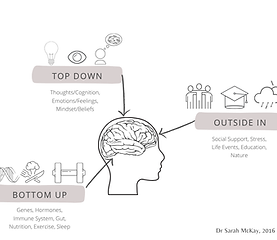
Another approach used for my coaching is the Bottom-Up, Outside-In and Top-Down Approach developed by neuroscientist Dr Sarah McKay. To read more about it please refer to our blog entry.
_edited.jpg)
Integral Eye Movement Therapy (IEMT)
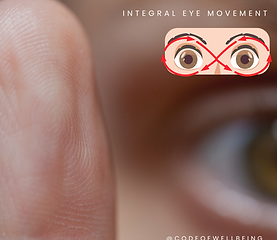
Integral Eye Movement Therapy (IEMT) is a therapeutic approach designed to address a variety of emotional and psychological issues by utilising specific eye movements.
It focuses on helping individuals process and release negative emotions and memories that may be contributing to mental distress. By guiding clients through structured eye movement patterns, IEMT aims to access and reprocess these emotional experiences, leading to a reduction in their intensity and impact.
This therapy can be particularly effective in balancing the nervous system as it helps to alleviate the stress and anxiety associated with unresolved emotional trauma.
By calming the overactive responses of the nervous system, IEMT promotes a state of relaxation and equilibrium, allowing individuals to experience improved emotional regulation and overall wellbeing. This approach can be a valuable tool for those seeking to overcome anxiety, depression, or trauma-related symptoms, ultimately supporting a more balanced and resilient nervous system.
For detailed information please visit the IEMT website.
Vagal Nerve Toning and Nervous System Regulation
The Autonomic Nervous System (ANS) is the part of your nervous system that automatically controls essential body functions—like heart rate, digestion, and breathing—without conscious effort.
It has two main branches:
-
Sympathetic Nervous System (SNS)
– “Fight or flight”
– Prepares the body for stress, danger, or activity
– Increases heart rate, redirects blood to muscles, slows digestion -
Parasympathetic Nervous System (PNS)
– “Rest and digest”
– Calms the body down after stress
– Slows heart rate, promotes digestion, supports healing
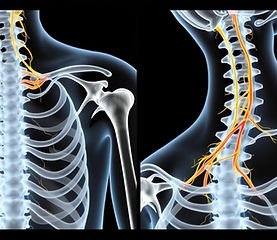
The vagus nerve (from Latin vagus, meaning “wandering”) is the main nerve of the parasympathetic nervous system.
It is the longest cranial nerve, running from the brainstem down through the chest and abdomen, connecting the brain to key organs like the heart, lungs, stomach, and intestines.
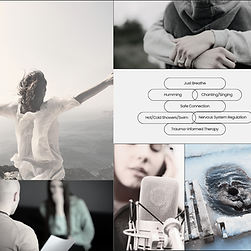
The vagus nerve plays a crucial role in the parasympathetic nervous system, which is responsible for the body's rest-and-digest activities. Toning the vagal nerve through practices such as deep breathing, meditation, and cold exposure can enhance its function. A well-toned vagus nerve promotes a state of calmness, reduces inflammation, and improves the body's ability to heal. Learning how to better regulate the nervous system will help accelerate the healing processes, improve mental clarity, and enhance overall well-being. When the nervous system is balanced, the body can more effectively repair itself, leading to improved health outcomes.
Neuro Linguistic Programming - NLP
Neuro-Linguistic Programming (NLP) is a psychological approach that involves analysing and altering thought patterns and behaviours. It focuses on how language and communication affect the brain's functioning.
NLP coaching leverages the connection between neurological processes, language, and behavioural patterns to facilitate personal development and transformation. By focusing on how individuals perceive and interpret the world, NLP coaching aims to reshape limiting beliefs and enhance communication skills.
A significant benefit of NLP is its ability to balance the nervous system. Through techniques that promote positive thinking and emotional resilience, NLP helps individuals manage stress and anxiety, leading to a more harmonious state of being. By aligning mental and emotional states, NLP coaching supports the regulation of the nervous system, fostering a sense of calm and stability.
This equilibrium not only enhances personal and professional performance but also contributes to overall wellbeing, enabling individuals to navigate life's challenges with greater ease and confidence.

Clinical Hypnotherapy
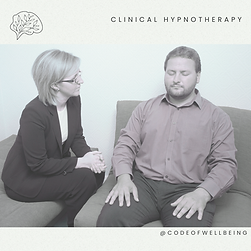
Hypnotherapy uses guided relaxation and focused attention to achieve a heightened state of awareness, often called a trance. In this state, individuals may become more open to suggestions, which can help modify undesirable behaviours and thoughts.
Hypnotherapy can be effective in reducing stress and anxiety, leading to a calmer nervous system.
Hypnotherapy, as a coaching method, offers a unique pathway to achieving homeostasis within the nervous system (NVS).
By guiding individuals into a deeply relaxed state, hypnotherapy taps into the subconscious mind, enabling the release of stress and tension that often disrupts the body's natural balance.
This therapeutic approach facilitates the recalibration of the autonomic nervous system, promoting a harmonious state where the sympathetic and parasympathetic systems are in equilibrium. As a result, individuals experience enhanced mental clarity, emotional stability, and physical wellbeing.
Hypnotherapy empowers clients to access their inner resources, fostering resilience and self-regulation, which are essential for maintaining the delicate balance of the nervous system. Through this process, clients not only address specific challenges but also cultivate a lasting sense of peace and vitality, enabling them to thrive in their personal and professional lives.
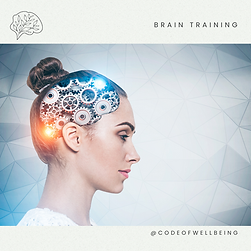
Brain Training
- Positive Intelligence
There are two brain training programs available:
1. Positive Intelligence is a transformative approach that focuses on strengthening the mental muscles that contribute to a more resilient and positive mindset. Positive Intelligence, developed by Shirzad Chamine, is based on the premise that mental fitness is as crucial as physical fitness, and it involves cultivating the ability to respond to life's challenges with a positive rather than negative mindset. Positive Intelligence uses an App for the daily visualisation and mindfulness exercises.
This method emphasises the importance of identifying and minimising the influence of "saboteurs"—those negative voices in our minds that foster self-doubt, stress, and anxiety.
Please take the saboteur assessment here.
By training the brain to shift from these saboteurs to a "sage" perspective, individuals can enhance their ability to handle stress, improve relationships, and increase overall happiness and performance.
The process involves regular exercises that build neural pathways associated with positive thinking, such as mindfulness practices, gratitude exercises, and visualisation techniques.
Over time, these practices help rewire the brain, making it easier to focus on solutions rather than problems, and fostering a mindset that is more open, curious, and empathetic.
This shift not only improves personal wellbeing but also enhances professional performance, as individuals become more adept at navigating complex situations with clarity and calmness.
By consistently engaging in brain training exercises, individuals can significantly boost their Positive Intelligence Quotient (PQ), leading to a more fulfilled and successful life. This holistic approach to mental fitness empowers individuals to break free from limiting beliefs and behaviors, unlocking their full potential and enabling them to make a positive impact in their personal and professional spheres. More resources can be found here.